← All free workouts

15-minute full-body bodyweight workout

Two steady rounds for your legs, hips, upper body, and whole-body movement. No weights, no floor exercises, just a little space and a solid wall.

Time
15 minutes
Equipment
A solid wall, no weights
Format
Standing · No jumping

People comfortable with the basic movements who want a longer home session.

Before you start

Clear enough space to move your arms and take a step in any direction. Wear comfortable footwear and use a stable, unobstructed wall. Keep the effort comfortable enough to speak in sentences. Slow down, shorten the intervals, or take extra rest as needed.

This is a general fitness routine, not a rehabilitation programme. If you have an injury, a medical condition, are pregnant, or are unsure whether these exercises suit you, get advice from a qualified health professional first. Stop if you feel pain, dizziness, or unwell.

Your 15-minute plan

Warm up 2 minutes

March gently for one minute, then spend one minute on small arm swings and easy heel raises. Begin slowly. Extend the warm-up if you need more time to feel ready.

The circuit 12 minutes · Two rounds

Do each movement for 40 seconds, then rest and get ready for 20 seconds. Repeat the full list once more, including the rest after the last movement. Move with control; there is no repetition target.

  1. Bodyweight squat40 sec work / 20 sec rest
  2. Wall push-up40 sec work / 20 sec rest
  3. Standing hip hinge40 sec work / 20 sec rest
  4. March in place40 sec work / 20 sec rest
  5. Calf raise40 sec work / 20 sec rest
  6. Gentle arm swings40 sec work / 20 sec rest

Ease out 1 minute

Walk slowly around your space, gradually making the steps smaller. Relax your shoulders and let your breathing settle. Keep going a little longer if you need it.

Use the first round to find a comfortable range. Aim for the same controlled movement in round two rather than racing to do more repetitions. The stated time includes all work and rest intervals. Extra rest or a longer warm-up will make the session longer.

Learn the movements with Franky.

Choose an exercise to see it in motion, then check the technique cues below. These are individual demonstrations, so use your own timer for the routine.

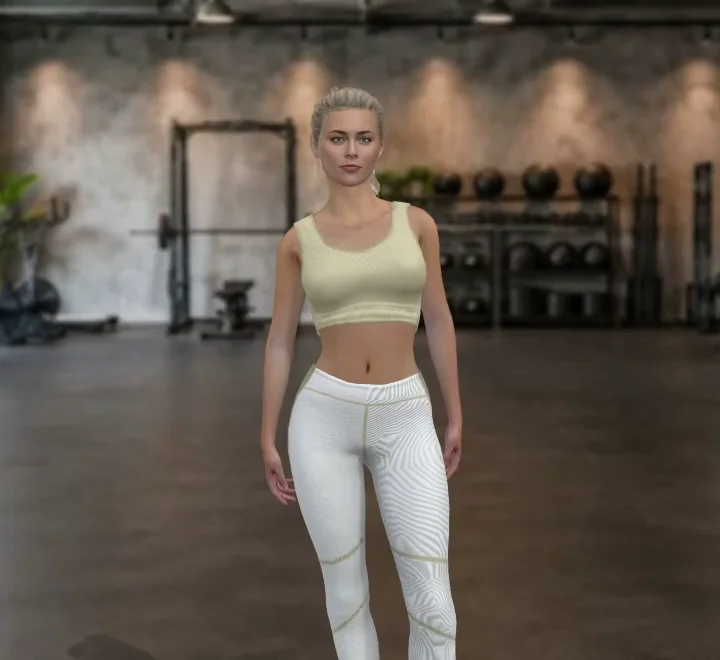
Franky, your exercise demonstration coach

Preview the movements before you begin. Demonstrations are silent and repeat until you stop them.

Use the written technique cues as you practise. The wall is not shown in the wall push-up animation; use a solid wall for your own movement.

Technique and easier options

Bodyweight squat

  • Set your feet about shoulder-width apart. Bend your hips and knees as though sitting back.
  • Keep your heels down, let your knees follow your toes, and stand up smoothly.

Make it easier: Use a shallower bend, or sit down and stand up from a sturdy chair that cannot slide.

Full bodyweight squat technique guide

Wall push-up

  • Face a clear, solid wall with your palms at chest height, a little wider than your shoulders.
  • Keep your body in a straight line, bend your elbows to bring your chest toward the wall, then press away.

Make it easier: Stand closer to the wall and use a smaller range of movement.

Full wall push-up technique guide

Standing hip hinge

  • Stand with soft knees and your feet about hip-width apart.
  • Send your hips back with a long, neutral back. Stop before your back rounds, then stand tall.

Make it easier: Keep the movement shallow and place your hands on your hips to feel them move back.

Full standing hip hinge technique guide

March in place

  • Stand tall and lift one foot at a time, placing it down quietly.
  • Let your arms move naturally and keep your breathing comfortable.

Make it easier: Keep each step small and use a wall for balance if needed.

Full march in place technique guide

Calf raise

  • Stand tall with your feet hip-width apart. Keep a hand on a solid wall for balance.
  • Lift your heels slowly, pause briefly, then lower them with control.

Make it easier: Lift your heels only a little and keep both hands supported.

Full calf raise technique guide

Gentle arm swings

  • Stand with soft knees and give yourself clear space on each side.
  • Swing your arms gently forward and back within a comfortable range, keeping your shoulders relaxed.

Make it easier: Make the swings smaller and keep your arms below shoulder height.

Full gentle arm swings technique guide

Make room for the next session.

Notice which movements felt comfortable and which needed an easier option. Give yourself time to recover before repeating a challenging strength session. When this routine feels manageable, begin with smoother movement and a comfortable range before adding more work.

Routine by Franky. For general exercise technique and building up gradually, see the NHS strength exercise guide. This routine has not been individually assessed for your needs.
Planning your next step? See how often beginners can train or learn how to progress a bodyweight routine.

Next time, make it personal.

This plan is a starting point. Franky’s voice coaching can build a session around your time, experience, and how you feel today.

Try personalised coaching

Seven-day trial. Payment method required. Cancel before it ends to avoid being charged.