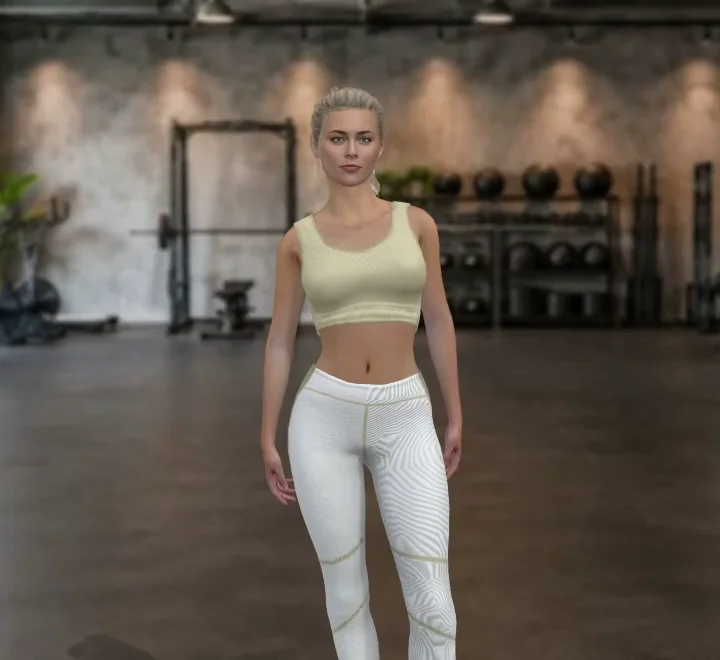
Set up your space.
Clear a level patch of floor with space around your arms. Keep a solid wall nearby if you use it for balance, and put your screen where you can preview the movement without turning mid-step.
Step-by-step technique
- Stand upright with your feet comfortably apart and shoulders relaxed.
- Lift one foot a little, then set it down gently.
- Alternate sides at a pace that lets you stay balanced. Let your arms move naturally.
- Keep the steps easy at first. Make them smaller or pause if you lose the rhythm or feel unsteady.
Try a brief spell of easy marching, then pause and check your space and balance. In a routine, start gently and adjust the pace to how you feel. Avoid treating every march as a high-knees conditioning exercise.
Common mistakes to watch for
- Lifting the knees so high that you start leaning backward.
- Stamping down to keep up with a demonstration or a beat.
- Looking sideways at a screen while stepping instead of previewing the movement first.
Make it easier.
Keep each step small and use a wall for balance if needed.
You can pause, shorten an interval, or leave this movement out of a routine. Use a version you can control rather than trying to match an animation’s speed.
Can marching be part of a warm-up?
Yes. Marching is included in the NHS warm-up routine. Use it as one part of preparing to move, rather than assuming a few steps prepare you for any exercise. Take more time and use other appropriate movements when your session needs them.
Does marching in place count as exercise?
It is movement, but its training effect depends on pace, effort, duration, and your starting point. A gentle march may be a useful warm-up or break from sitting. Do not assume every minute is moderate aerobic activity or rely on an exact calorie estimate.